
Current Situation

Most of the energy we use comes from polluting sources, which harms the environment. Furthermore, excessive energy consumption exacerbates this problem and makes it necessary to find more sustainable alternatives.

logo
imagen

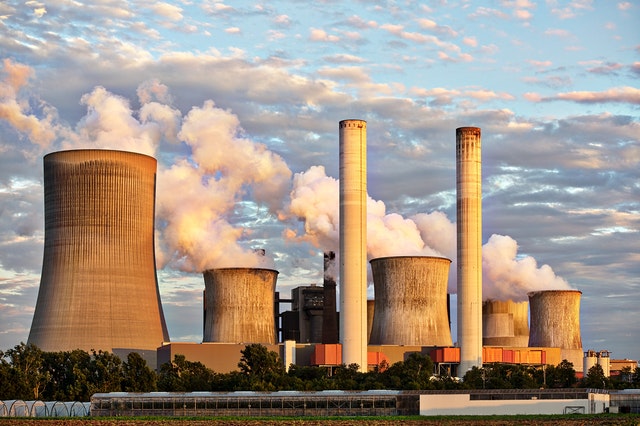
Nuclear power

It allows for a large, constant, and efficient production of energy, but it generates dangerous radioactive waste that must be stored very carefully for long periods of time, posing a risk to the environment and health.

imagen

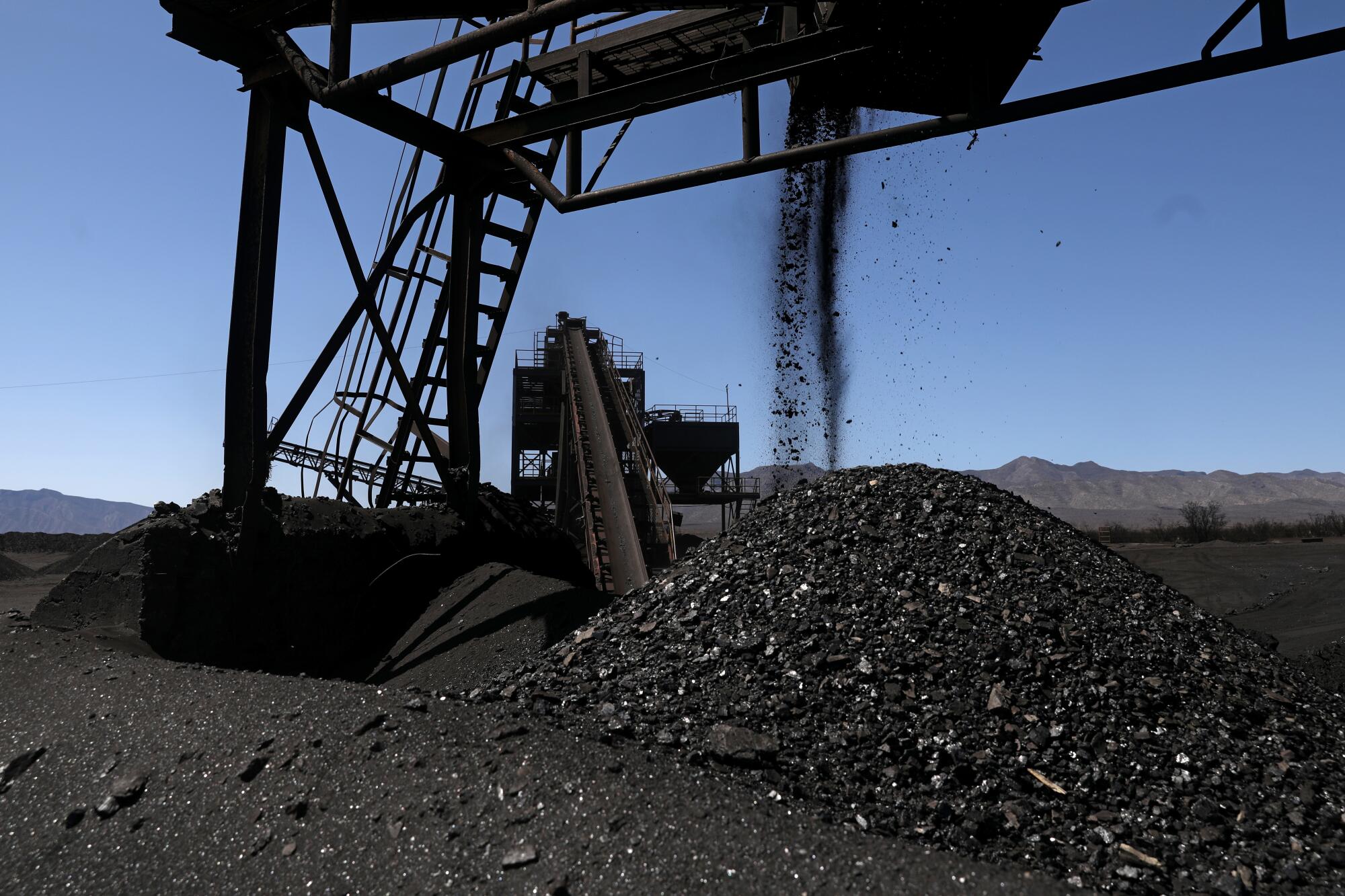
Coal

It is a very widely used energy source, but also highly polluting, as its combustion releases large amounts of carbon dioxide (CO₂) and other gases that contribute to climate change and air pollution.

imagen

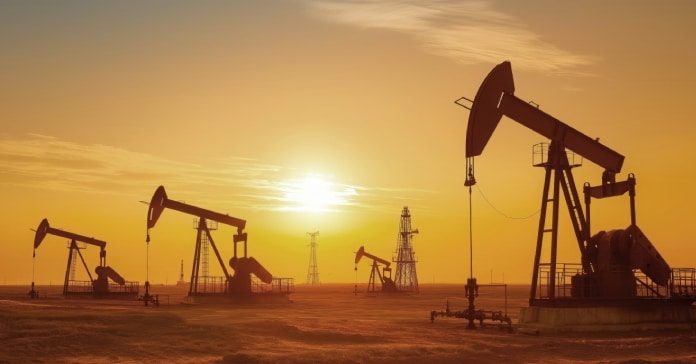
Oil

It is a key resource for energy production and the operation of industry and transportation, but it is not renewable and its use generates pollution, as it releases greenhouse gases and can cause environmental damage, such as spills that affect ecosystems.

"If we continue to depend on non-renewable energy, not only will resources run out... but the future that we still have time to save will also be exhausted."

imagen

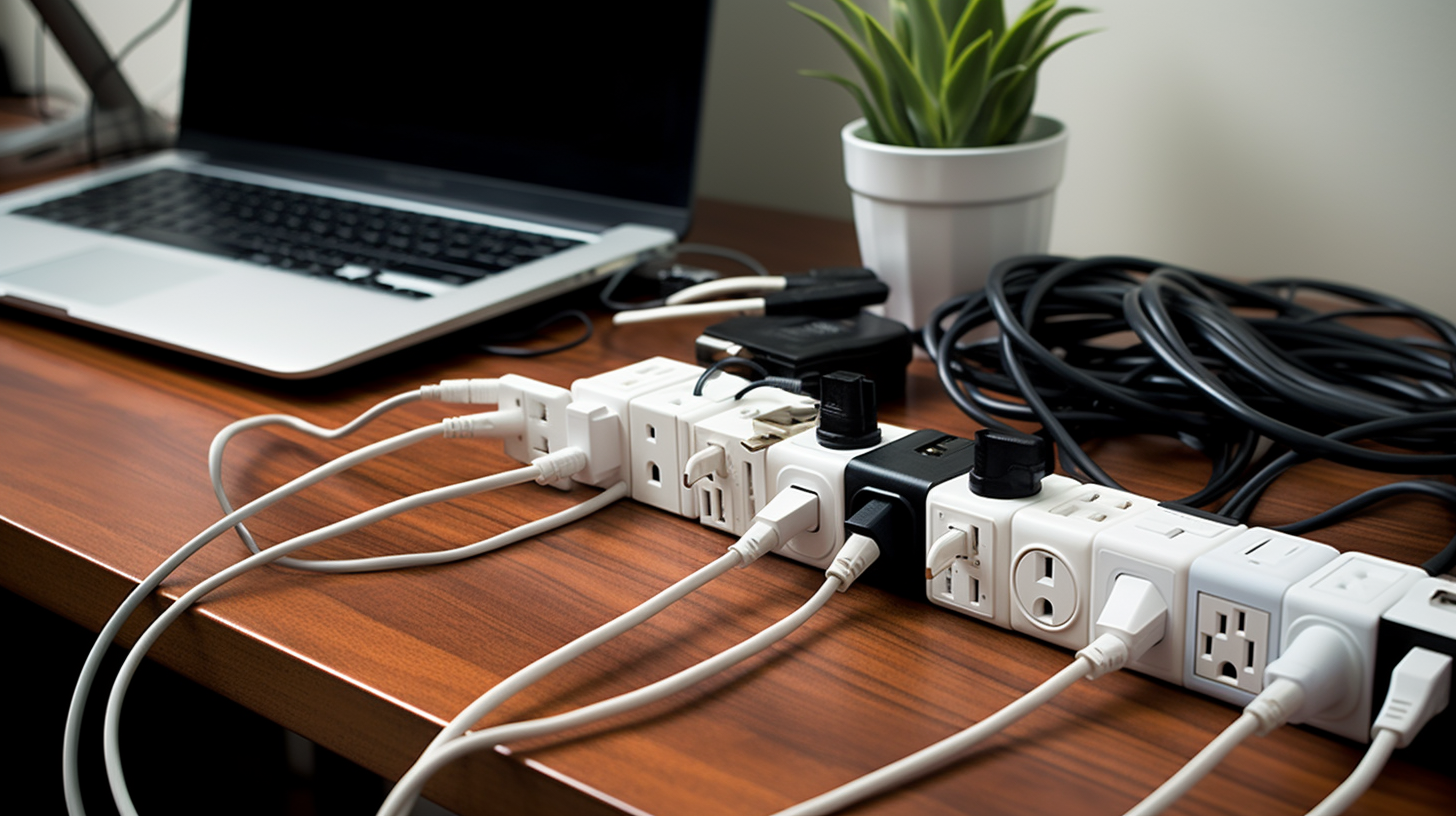
Leaving devices and chargers connected to the power supply without using them generates what is known as "phantom energy consumption", as many appliances continue to consume electricity even when they are turned off or in standby mode, such as televisions, computers, microwaves or chargers plugged in without being in use. Although the cost of each one is small, when accumulated among several devices connected throughout the day it can become significant, reaching to represent between 5% and 16% of the total household electricity consumption. This implies an inefficient use of energy and a greater environmental impact.